

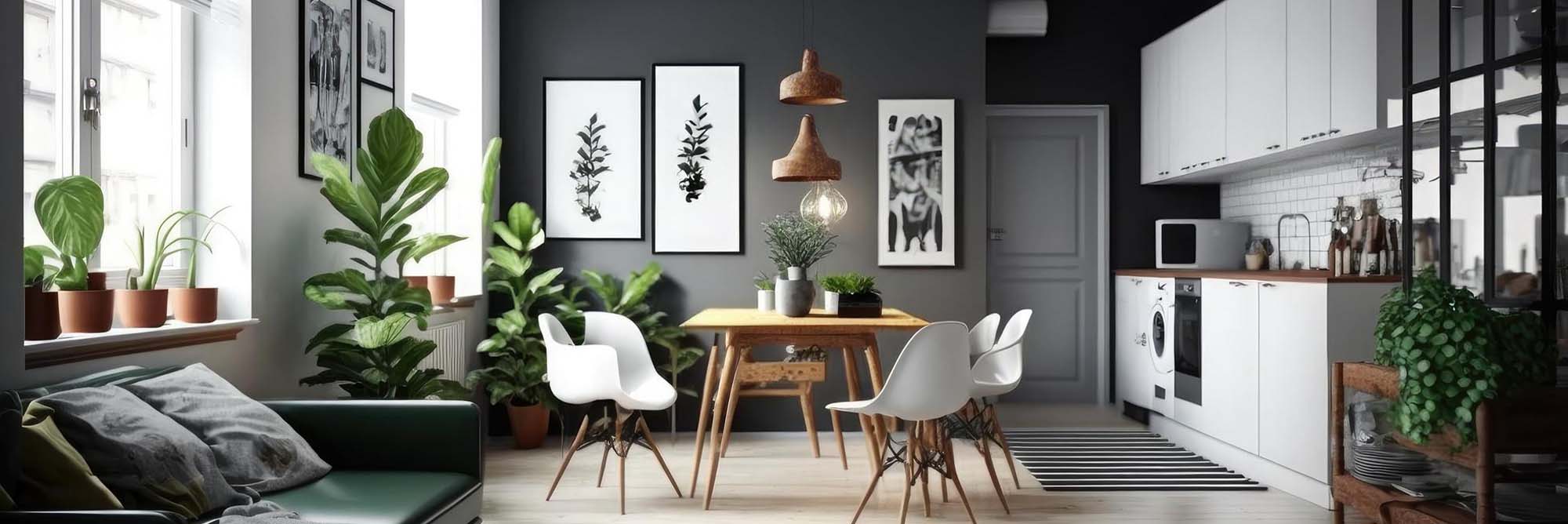
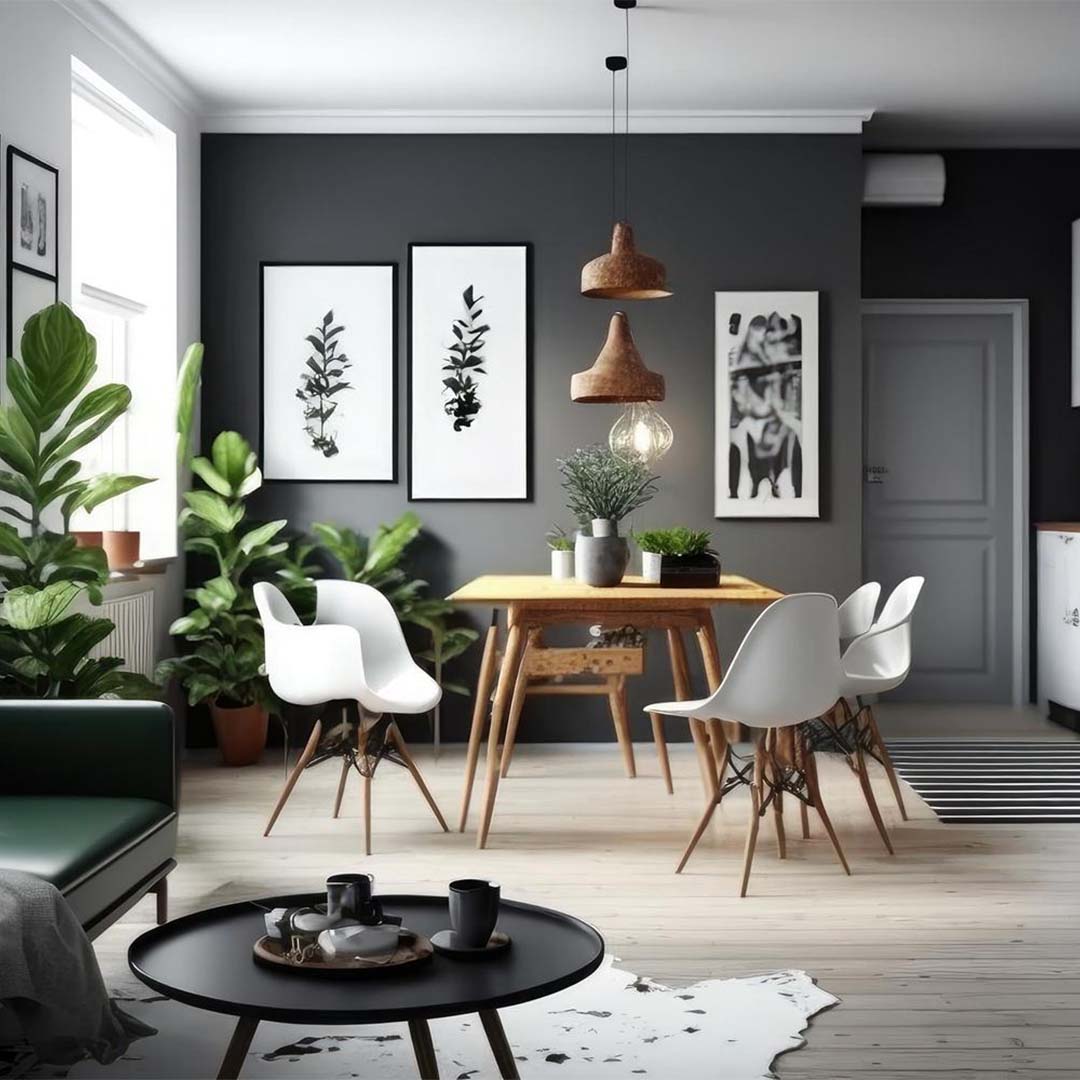
A comfortable home is not only about attractive furniture, stylish colours and modern decorations. It is also about creating an environment where family members can relax, work and enjoy their daily routines without unnecessary disturbance.
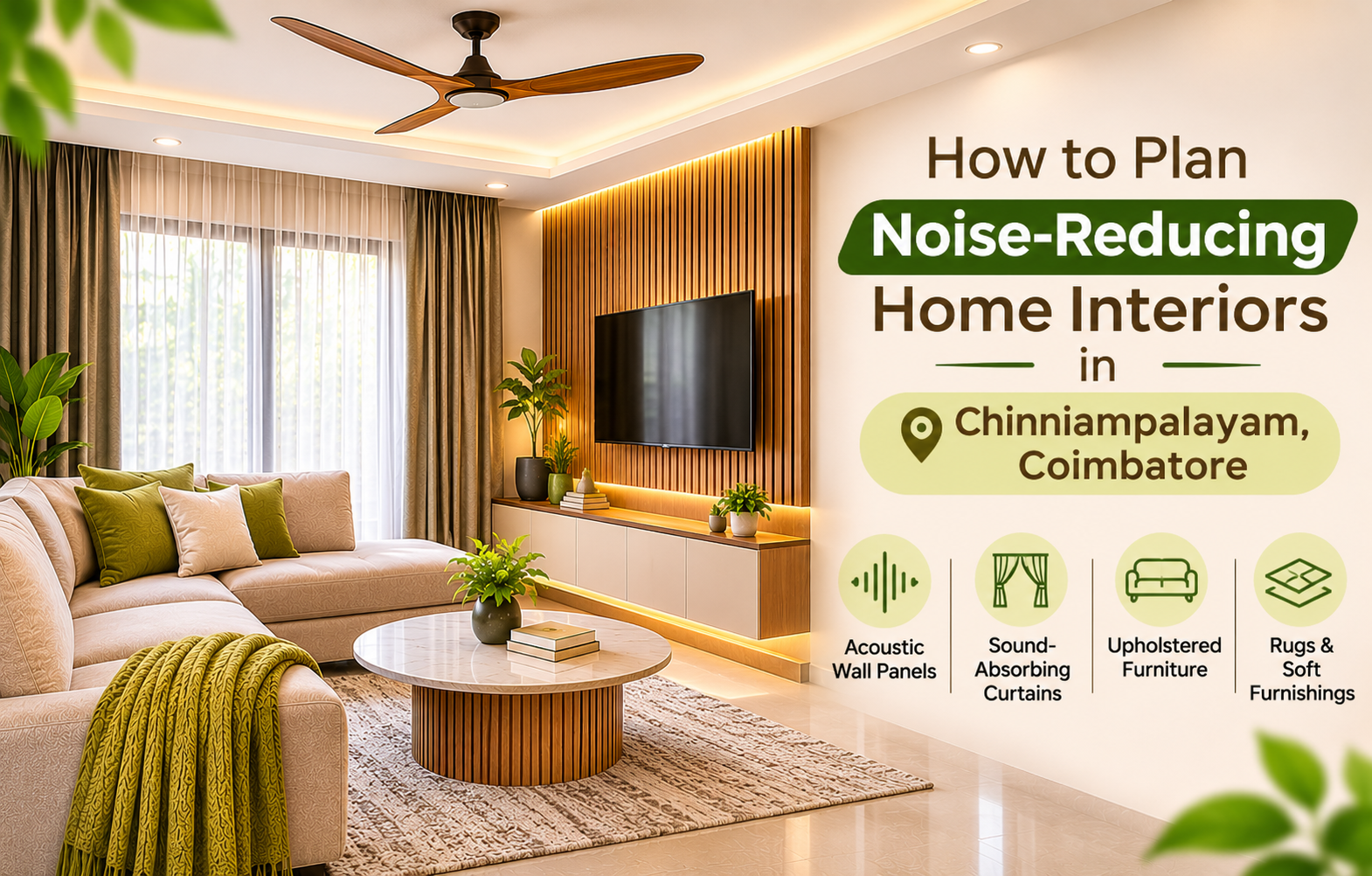
A comfortable home is not only about attractive furniture, stylish colours and modern decorations. It is also about creating an environment where family members can relax, work and enjoy their daily routines without unnecessary disturbance.
In residential areas such as Chinniampalayam, Coimbatore, homes located near busy roads or commercial activity may experience varying levels of outside noise. Sounds from traffic, nearby construction and everyday neighbourhood activities can sometimes affect indoor comfort.
While interior design cannot completely soundproof a home, thoughtful material selection, furniture placement and acoustic planning can help reduce echoes and improve the overall indoor environment.
Whether you are designing a new apartment, villa or independent house, here are practical ways to create a quieter and more comfortable home.
Before selecting furniture or decorative materials, identify the main sources of unwanted noise.
External noise commonly enters through windows, doors, ventilation openings and gaps around building components. Sound may also travel through walls, ceilings and floors.
Start by observing which rooms experience the most disturbance and at what times of day.
For example, a bedroom facing a busy road may require a different approach from a living room where the main concern is television sound or conversation echo.
Understanding the noise source helps homeowners distinguish between two important requirements: reducing sound entering from outside and reducing echoes within a room.
These problems require different solutions, so identifying them early can prevent unnecessary interior expenses.
Windows are an important consideration when planning quieter interiors.
Thick, well-fitted curtains can help absorb some sound within a room and soften reflections from hard surfaces.
Consider the following options:
Heavy, full-length curtains for bedrooms.
Layered curtains combining sheer and heavier fabrics.
Curtains with generous folds for improved sound absorption.
Window coverings that extend beyond the window frame.
Fabrics selected according to cleaning and maintenance requirements.
However, curtains alone generally provide limited protection against significant traffic noise.
Where outdoor noise is a major concern, properly sealed windows and suitable acoustic glazing may be more effective.
These building-level improvements should be evaluated separately from decorative curtain selection.
Rooms containing large areas of tiles, glass and bare walls can produce noticeable echoes.
Soft furnishings can absorb some reflected sound, helping conversations and everyday activities feel more comfortable.
For living rooms, consider upholstered sofas, fabric-covered chairs and suitable area rugs.
Other useful additions include cushions, fabric headboards and selected wall textiles.
Furniture placement also matters. A room with only a few hard-surfaced furniture pieces may sound more reflective than one containing a balanced combination of upholstered seating and other furnishings.
The objective is not to fill every available space with furniture, but to introduce appropriate sound-absorbing elements while maintaining comfortable movement.
Bedrooms should provide a peaceful environment for rest and relaxation.
When planning bedroom interiors in Chinniampalayam, consider the position of the bed, windows and adjoining rooms.
A bed placed directly against a wall shared with a television area or another noisy room may experience more disturbance.
Where the layout permits, consider alternative bed positioning or furniture arrangements.
Practical bedroom design ideas include:
Upholstered headboards.
Full-length curtains.
Rugs beside the bed.
Properly fitted wardrobe shutters.
Soft-close drawer and cabinet hardware.
Thoughtful placement of televisions and speakers.
Soft-close hardware can reduce the noise generated by everyday furniture use.
For more serious noise problems, additional acoustic treatment or building modifications may be necessary.
Decorative wall panels are commonly used to enhance living rooms, bedrooms and home offices.
Certain panels are also designed to absorb sound and reduce reverberation.
Acoustic panels may be useful in spaces such as home theatres, work-from-home rooms and living areas with excessive echoes.
Options can include fabric-wrapped acoustic panels, suitable perforated panels with absorptive backing and other tested acoustic systems.
When selecting acoustic panels, consider their actual sound absorption performance rather than appearance alone.
Ordinary decorative wooden panels or PVC wall finishes should not automatically be considered soundproofing materials.
A well-planned installation can combine visual appeal with improved indoor acoustics when the right products are selected.
Many homeowners now use part of their living room or bedroom as a workspace.
A comfortable home office requires suitable lighting, ergonomic furniture and reasonable control over background noise.
For a work-from-home setup, consider positioning the desk away from televisions, frequently used doorways and other sources of disturbance.
Where space permits, a dedicated work corner with storage cabinets and soft furnishings can help create a more organised environment.
Useful design considerations include:
Desk placement away from busy household areas.
Upholstered seating and suitable soft furnishings.
Closed storage to minimise clutter.
Properly fitted doors.
Comfortable lighting for video meetings.
Suitable acoustic treatment where echoes affect calls.
Homeowners planning customised interiors can consult interior designers in Chinniampalayam to explore layouts that balance privacy, comfort and practical space utilisation.
Flooring materials influence how sound behaves inside a room.
Hard surfaces such as vitrified tiles and polished stone can reflect sound, particularly in large or minimally furnished spaces.
Area rugs can help absorb some sound reflections and reduce the noise of footsteps within a room.
For bedrooms, living rooms and study areas, homeowners can consider rugs that suit the room's size and furniture arrangement.
Where new flooring is being installed, appropriate acoustic underlay systems may help reduce impact sound transmission, depending on the building structure and flooring specification.
It is important to distinguish between reducing echoes inside a room and preventing sound from travelling between floors.
Rugs can improve local acoustic comfort, but they do not provide complete sound insulation.
Doors and cabinets are frequently used throughout the day.
Poorly fitted shutters, loose handles and unsuitable hardware can generate unnecessary noise.
During interior planning, consider the quality of hinges, drawer runners and door fittings.
Soft-close hardware is particularly useful for modular kitchens, wardrobes and frequently used storage cabinets.
For rooms requiring greater privacy, properly fitted solid-core doors with suitable perimeter seals may help reduce sound transmission.
However, wardrobe cabinets and storage units should not be relied upon as substitutes for properly designed sound-insulating walls.
The primary benefit of well-designed furniture is quieter operation and better everyday functionality.
Modern living rooms often feature large televisions, decorative wall finishes and open-plan layouts.
These elements can create an attractive environment, but the combination of hard surfaces and limited soft furnishings may increase sound reflections.
A balanced living room design can include:
Upholstered sofas.
Suitable curtains.
Area rugs.
Selected acoustic wall treatments.
Thoughtful television and speaker placement.
Furniture arrangements that support comfortable conversations.
For homeowners who enjoy movies or music, the placement of speakers and seating should be considered during the initial design stage.
This can help create a more enjoyable entertainment experience without unnecessarily increasing volume.
Noise management is often considered only after homeowners begin living in a completed space.
By that stage, furniture installations, wall finishes and electrical layouts may already be fixed.
Considering acoustic requirements early can help identify practical solutions before execution begins.
Before finalising your interior design, discuss:
Which rooms face busy roads or external noise sources.
Whether bedrooms share walls with noisy spaces.
Window and door sealing requirements.
Home office and study area placement.
Soft furnishing requirements.
Television and speaker positioning.
Acoustic treatment for rooms with excessive echoes.
Whether building-level sound insulation is necessary.
Not every home requires specialised acoustic treatment.
For many households, practical furniture placement and suitable furnishings may be sufficient to improve indoor sound quality.
Homes in Chinniampalayam can have different acoustic requirements depending on their location, building design and surrounding environment.
An apartment near a busy road may require greater attention to external sound entering through windows.
An independent house may benefit from careful room placement and properly fitted doors.
Similarly, a compact apartment with an open-plan living area may need soft furnishings to reduce echoes, while a larger home may require separate consideration for entertainment rooms and workspaces.
There is no single interior design solution suitable for every property.
The most effective approach begins with understanding the source of noise, identifying the rooms affected and selecting appropriate design or construction measures.
A thoughtfully designed home should support everyday comfort, functionality and personal preferences.
From customised wardrobes and modular kitchens to bedroom interiors, living room designs and complete home interiors, careful planning can help create organised and welcoming residential spaces.
With over 25 years of industry experience, i5 Designs offers customised interior design solutions for apartments, villas and independent houses.
The company also offers a 45-day delivery commitment for eligible interior projects, an 8-year warranty on applicable interior work subject to terms and conditions, and lifetime service support.
Whether you are designing a new home or upgrading an existing property, considering acoustic comfort alongside furniture design, storage and lighting can help create a better living environment.
Explore customised interior solutions from i5 Designs – Interior Designers in Chinniampalayam, Coimbatore.
i5 Designs – Creating stylish, functional and thoughtfully planned home interiors in Coimbatore.

 A Heritage of Craftsmanship and Design Excellence
since 1997


1st Floor, Plot, SRP Towers, 1032, 6th Main Rd, Next to GBR Fertility Centre and Hospitals, Mogappair Eri Scheme, Mogappair East, Chennai, Tamil Nadu - 600 037.
180, Thirugnanasambandam Road, Above Cream Centre, Gopalapuram, Coimbatore, Tamil Nadu - 641 018.
No 7, JJ St, near Chainsys, Ayanambakkam, Ponniaman Nagar, Kil Ayanambakkam, Chennai, Tamil Nadu - 600 095
Copyrights 2026 All Rights Reserved i5 Designs Website Designed & Developed By Glint Creatives
Interior Designers in Namakkal
| Interior Designers in Karur | Interior Designers in Hosur | Interior Designers in Kangeyam | Interior Designers in Bhavani | Interior Designers in Udumalpet | Interior Designers in Mettupalayam | Interior Designers in Gobichettipalayam | Interior Designers in Dharapuram | Interior Designers in Kuniyamuthur | Interior Designers in Podanur | Interior Designers in Periyanaickenpalayam | Interior Designers in Chinniampalayam | Interior Designers in Ramanathapuram | Interior Designers in Nolambur | Interior Designers in Perumbakkam |Interior Designers in KK Nagar
| Interior Designers in Ashok Nagar | Interior Designers in Panaiyur | Interior Designers in Uthandi | Interior Designers in Akkarai | Interior Designers in Neelankarai | Interior Designers in Kotturpuram | Interior Designers in Boat Club Road | Interior Designers in RA Puram | Interior Designers in Poes Garden | Interior Designers in Tirupur | Interior Designers in Chennai | Interior Designers in Sriperumbudur |Interior Designers in Thiruverkadu
| Interior Designers in Ramapuram | Interior Designers in Iyyappanthangal | Interior Designers in Manapakkam | Interior Designers in Kilpauk | Interior Designers in Erode | Interior Designers in Trichy | Interior Designers in Madurai |Interior Designers in Tirunelveli
| Interior Designers in Pondicherry | Interior Designers in Salem | Interior Designers in Coimbatore | Interior Designers in Pollachi | Interior Designers in R.S. Puram |Interior Designers in West Mambalam
| Interior Designers in Urapakkam |Interior Designers in Medavakkam
| Interior Designers in Thiruvanmiyur | Interior Designers in Saidapet | Interior Designers in Perungalathur | Interior Designers in Koyambedu | Interior Designers in Kovilambakkam | Interior Designers in ICF Colony | Interior Designers in Hasthinapuram | Interior Designers in Alapakkam | Interior Designers in Mandaveli | Interior Designers in George Town | Interior Designers in Erukanchery | Interior Designers in Ayapakkam | Interior Designers in Arumbakkam | Interior Designers in Gopalapuram | Interior Designers in Alwarpet | Interior Designers in Broadway | Interior Designers in Ennore | Interior Designers in Chetpet | Interior Designers in Annanur | Interior Designers in Ekkatuthangal | Interior Designers in Choolaimedu |Interior Designers in Madipakkam
| Interior Designers in Adambakkam | Interior Designers in Gerugambakkam |Interior Designers in Chennai Central
| Interior Designers in Chembarambakkam | Interior Designers in Kanchipuram | Interior Designers in Thiruvallur | Interior Designers in Guduvanchery | Interior Designers in Alwarthirunagar | Interior Designers in Chengalpattu | Interior Designers in Poonamallee | Interior Designers in Mahabalipuram | Interior Designers in Sriperumbudur | Interior Designers in Red Hills | Interior Designers in Vandalur | Interior Designers in Oragadam | Interior Designers in Ambattur | Interior Designers in Perambur | Interior Designers in Alandur | Interior Designers in Avadi | Interior Designers in Chromepet | Interior Designers in Pallavaram | Interior Designers in Minjur | Interior Designers in Tambaram |Interior Designers in Perungudi
| Interior Designers in Pallikaranai | Interior Designers in Siruseri |Interior Designers in Porur
| Interior Designers in Triplicane | Interior Designers in Perur | Interior Designers in Maruthamalai Road | Interior Designers in Nehru Nagar | Interior Designers in Peelamedu | Interior Designers in Avinashi Road | Interior Designers in Saibaba Colony | Interior Designers in Race Course | Interior Designers in Kovaipudur | Interior Designers in Trichy Road | Interior Designers in Neelambur | Interior Designers in Udayampalayam | Interior Designers in PN Pudur | Interior Designers in Selvapuram | Interior Designers in Sundarapuram | Interior Designers in Kurumbapalayam | Interior Designers in Vellakinar | Interior Designers in Thudiyalur |Interior Designers in Koundampalayam
| Interior Designers in Saravanampatti | Interior Designers in Town Hall | Interior Designers in Ramnagar | Interior Designers in Vilankurichi | Interior Designers in Ganapathy | Interior Designers in Vadavalli | Interior Designers in Singanallur | Interior Designers in Kalapatti | Interior Designers in Gandhipuram | Interior Designers in Tidel Park, Coimbatore | Best Interior Designers in Thoraipakkam | Interior Designers in Navalur | Interior Designers in Thousand Lights | Interior Designers in Sholinganallur | Interior Designers in Purasawalkam | Interior Designers in Besant Nagar | Interior Designers in Chitlapakkam | Interior Designers in Maraimalai Nagar |Interior Designers in Vadapalani
| Interior Designers in Saligramam | Interior Designers in Basin Bridge | Interior Designers in Kodambakkam | Interior Designers in Anna Salai | Interior Designers in Royapettah | Interior Designers in Teynampet | Interior Designers in Mylapore | Interior Designers in Adyar | Interior Designers in Egmore | Interior Designers in Nungambakkam | Interior Designers in Guindy | Interior Designers in Velachery | Interior Designers in Anna Nagar | Interior Designers in T Nagar | Interior Designers in OMR |Interior Designers in Mogappair

